Understand the Language of Play
Play Therapy vs. Talk Therapy (Why the Difference Matters)
Adults tend to process the world through words. We talk things out. We reflect. We vent. We over-explain. Children? Not so much.
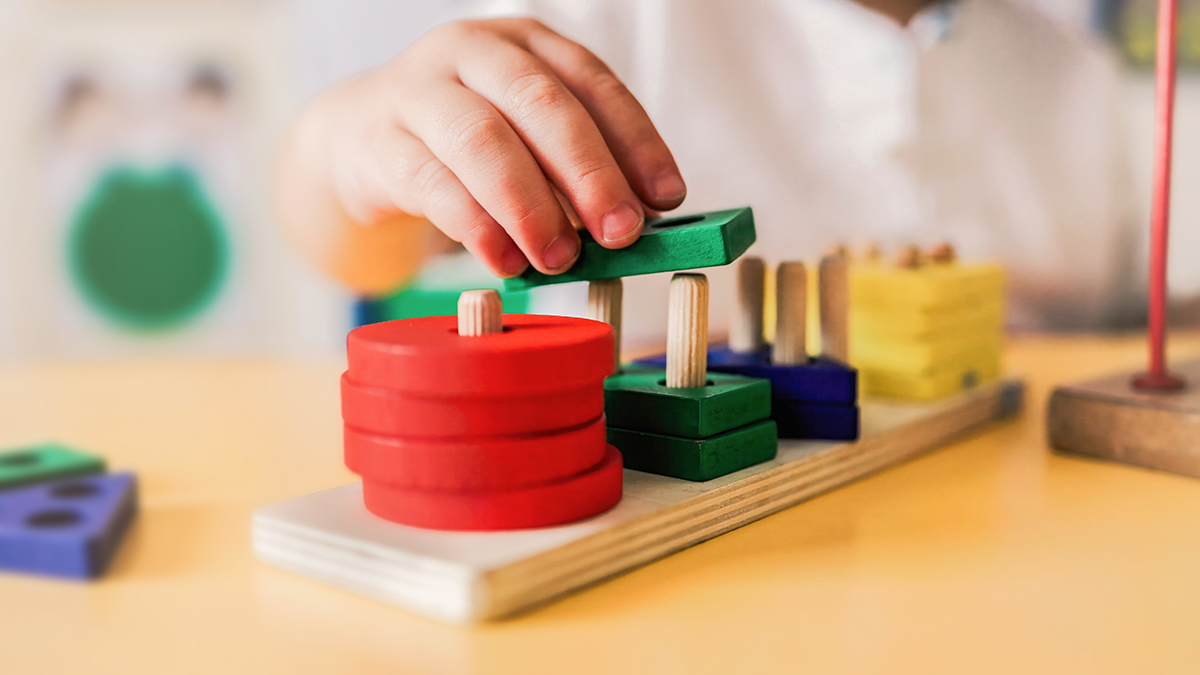
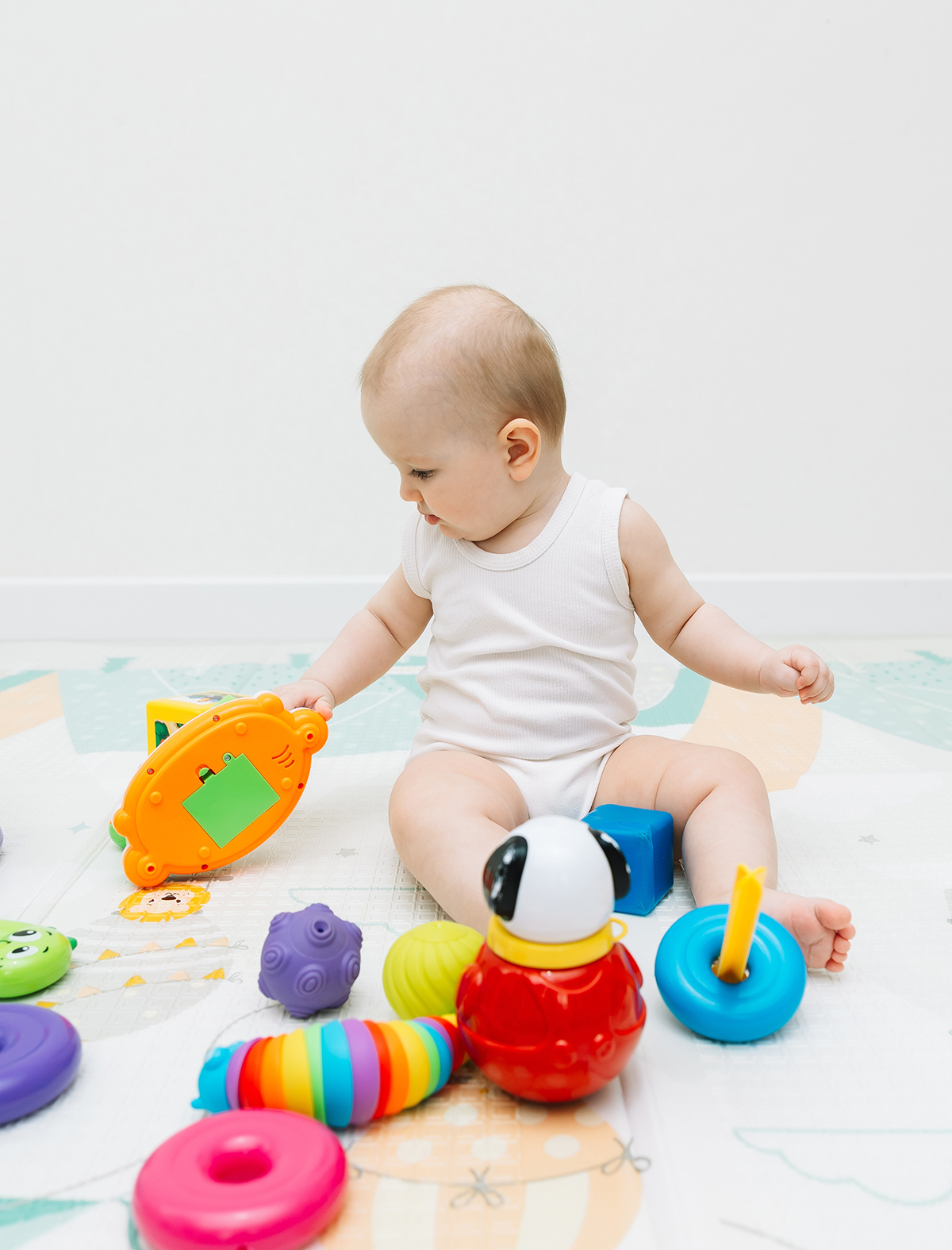
For children, play is their language and toys are their words. Expecting a young child to sit on a couch and verbally explain their feelings is a little like asking them to write a graduate-level thesis before they’ve learned the alphabet. They have thoughts and feelings—but they express them differently.
That’s where play therapy comes in.
Play therapy is more than just playing. It is a structured, evidence-based therapeutic process guided by a trained professional who uses play as a powerful, developmentally appropriate way to help children heal, grow, and make sense of their world. Play isn’t a distraction from therapy—it is the therapy.
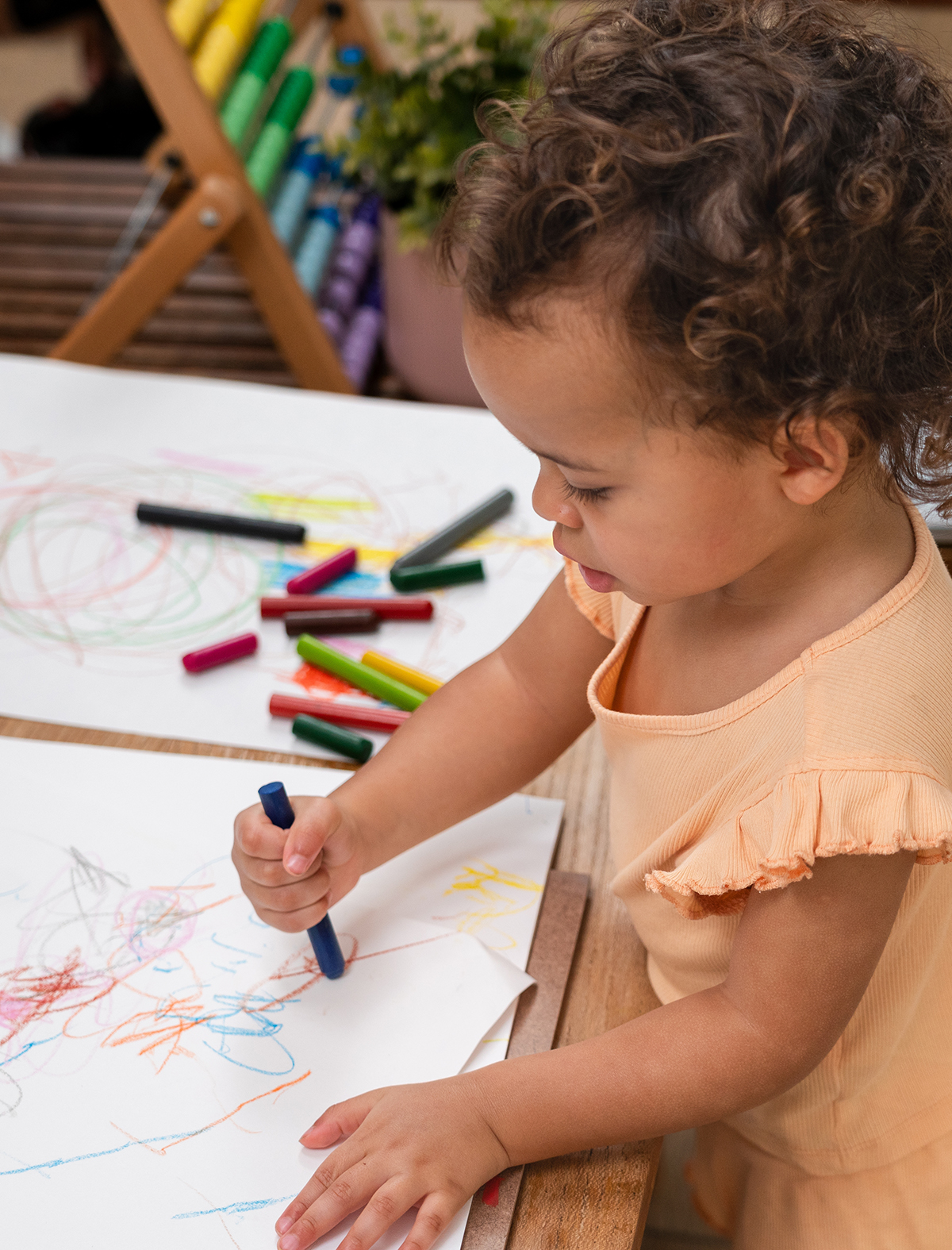
Play is not only developmentally appropriate for children; it is their natural medium of expression. Through toys, games, art, and imagination, children can express feelings that may be too confusing, overwhelming, or scary to put into words.
Seeing the World Through a Child’s Eyes
Play also gives us something incredibly valuable: a glimpse into a child’s inner world.
Through play, we can see how a child experiences relationships, stress, power, safety, fear, joy, and control. When we join a child in play, we are meeting them at their level—rather than asking them to rise prematurely into an adult world of seriousness and verbal reasoning.
So often, children are expected to behave in very adult-like ways: sit still, explain emotions clearly, regulate feelings perfectly, and “use their words.” Play therapy gives them permission to be children—and to communicate in the way that feels most natural to them.
What do children learn through play?
A lot more than you might think.
- Emotional Expression. Through play, children learn to express feelings both emotionally and verbally. A child might not say “I feel anxious,” but their toy characters might worry, hide, or seek reassurance. Over time, play therapy helps children build emotional awareness and the language to go with it.
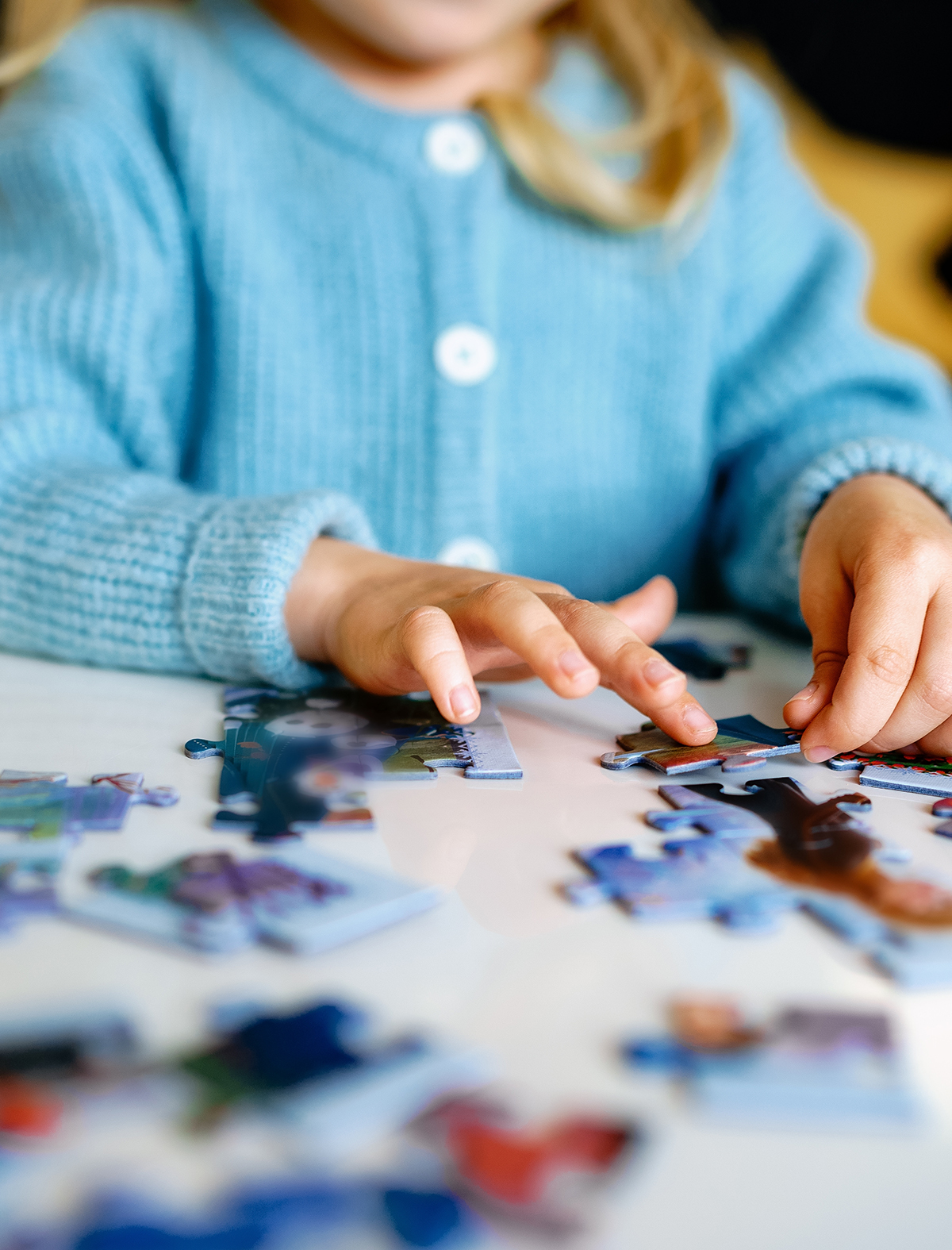
- Social Norms and Expected Behaviors. Play is a safe space to practice real-life skills. Children learn turn-taking, problem-solving, boundaries, flexibility, and empathy—all while playing a game or acting out a story. Mistakes are allowed here, which is exactly how learning happens.
- Processing Difficult or Traumatic Experiences. Play allows children to process hard things at a pace their nervous system can handle. Traumatic or stressful experiences often show up symbolically in play, giving children a way to regain a sense of control, safety, and understanding—without having to relive events verbally before they’re ready.
Play Therapy Doesn’t Stop With the Child
As a Registered Play Therapist, I often work closely with parents as well as children to support connection and attachment. One of the most powerful tools we have is helping adults learn to see through the eyes of their child.
Sometimes the best way to strengthen connection isn’t another conversation—it’s sitting on the floor and playing.
For many adults, play can feel surprisingly hard. Somewhere along the way, many of us learned that play is unproductive, silly, or unimportant.
But when we allow ourselves the privilege of play, we send a powerful message to our children: You matter. Your world matters. I want to join you in it.
That’s where connection grows.
A Play Therapy Invitation
I encourage you to take a moment away from the stress, the schedules, the emails, and the endless to-do lists. Sit on the floor. Follow your child’s lead. Choose something they love.
Whether it’s a dinosaur race, a car-crashing Monster Jam, or a full-scale princess dragon fairy land, know this:
When you play with your child, you are speaking their language—and that is one of the most powerful forms of connection there is.
And yes… it counts as something very important.