
Understanding
Social Skills Groups
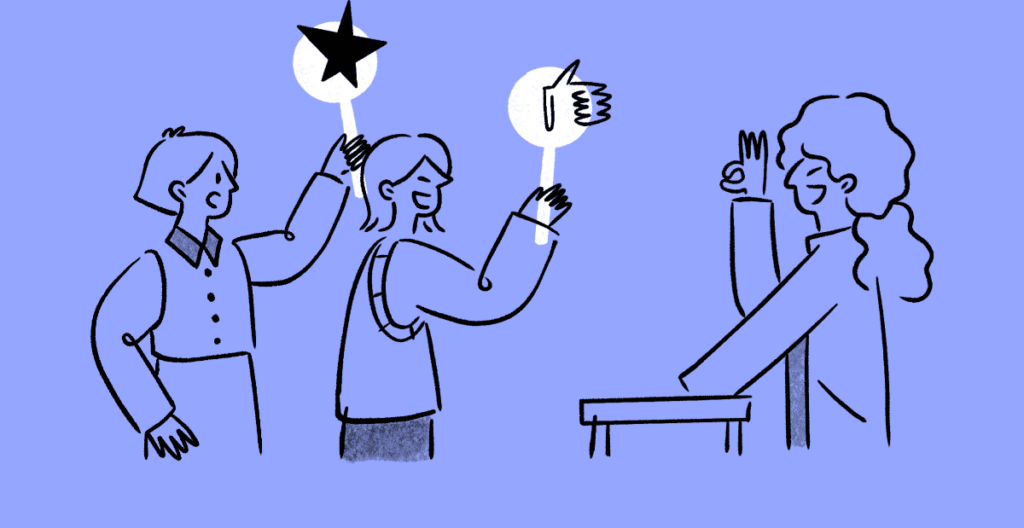
The two parts of social skills

Learning the skill — acquisition
Some children struggle because they do not yet know how to perform a specific social skill. Introducing yourself, for instance, involves several smaller steps:
- Looking at the other person
- Smiling
- Saying your name
- Asking the other person’s name
Social skills are often broken into smaller, teachable parts, so children can learn exactly what to do in different situations.

Using the skill — performance and generalization
Many children already know what they should do, but find it hard to do in the moment. A child may know to walk away or use their words when upset, yet when frustration takes over, they may yell, argue, or become physical instead. Our groups give children the chance to practice their skills precisely when emotions, impulses, or social pressures make it hardest.
What skills are we observing?

Talk time — learning and practicing skills
Every session begins with a structured discussion and activity focused on a specific social skill. Topics may include:
- Making and keeping friends
- Conversation skills
- Joining a group
- Sportsmanship
- Emotion recognition and management
- Empathy
- Problem solving
- Flexible thinking
- Reputation and social awareness
- Conflict resolution
Alongside these, children practice the everyday skills that school and friendships ask of them:
- Active listening
- Eye contact
- Taking turns in conversation
- Staying on topic
- Self-control
- Reading social cues
- Understanding how their behavior affects others
Topics are chosen around the needs and goals of the children in each group, and may shift to address something that comes up during a session.
Play time — putting skills into action
After learning about a skill, children have the chance to practice it during structured play. Children often think of this as free play, but it is where some of the most important learning happens. During play time, children work on:
- Compromise and negotiation
- Flexible thinking
- Cooperation
- Sharing and turn-taking
- Communication
- Problem solving
- Self-advocacy
- Handling disappointment
- Being a good sport
One of the first challenges is simply deciding what to play. Rather than a majority vote, the group works together toward a solution everyone can agree on — a small but real exercise in empathy, flexibility, patience, and teamwork.
Therapists coach in real time, helping children rewind and redo an interaction when needed, so they can immediately practice a more effective way of communicating and connecting with their peers.
How our social skills groups work

Throughout each session, therapists quietly observe and support skills such as:
- Initiating interactions
- Participating in group activities
- Engaging in conversation
- Reading social cues
- Sharing and taking turns
- Standing up for oneself appropriately
- Using words instead of actions
- Managing emotions
- Staying connected to the group
- Showing empathy and perspective-taking
These real-life moments help children carry skills from discussion into the situations they meet every day.
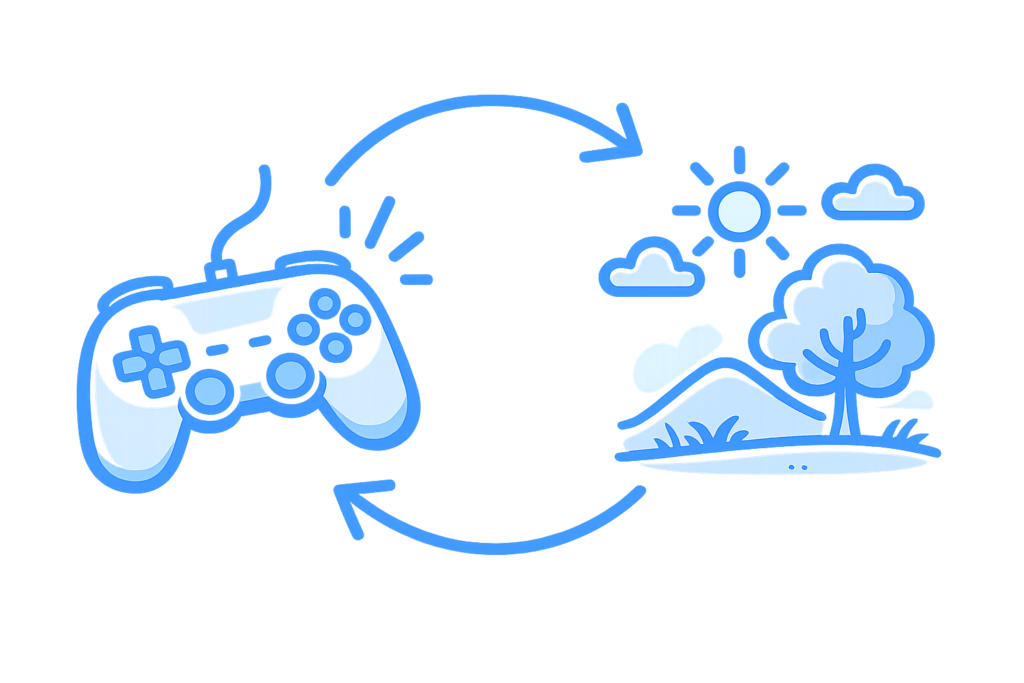
Why we sometimes play video games or go outside
Throughout each session, therapists quietly observe and support skills such as:
- Initiating interactions
- Participating in group activities
- Engaging in conversation
- Reading social cues
- Sharing and taking turns
- Standing up for oneself appropriately
- Using words instead of actions
- Managing emotions
- Staying connected to the group
- Showing empathy and perspective-taking
These real-life moments help children carry skills from discussion into the situations they meet every day.
Parent communication and feedback

Because groups involve several children, confidentiality limits how much individual feedback we can share right after a session.
At pickup, therapists offer brief notes on:
- The skill topic covered
- Areas the group practiced
- General themes observed during play
If a significant concern arises, we will contact you directly.
For more individualized feedback, we schedule parent consultations after the first few sessions, and periodically thereafter. In these meetings we discuss:
- Progress toward goals
- Strengths and challenges observed
- Strategies being taught in group
- Ways to support skill development at home
You are always welcome to share important updates before a session — it helps us better support your child.
How long do children typically participate?

Social skills take time to learn, practice, and carry into different settings. Most children participate for about six months, though this varies with each child’s needs and goals.
As children grow more independent and confident, next steps may include:
- Moving to every-other-week attendance
- Monthly check-ins
- Graduating from the group when the time is right
Our aim is to help children build the confidence and skills to form meaningful relationships and navigate social situations with ease — both inside the group and well beyond it.
Questions?

QUESTIONS?
If you would like more information about your child's participation in social skills group or would like to schedule a parent consultation, please contact our office. We are happy to partner with you in supporting your child's social growth and success.