Why “I’m Bored!” Might Actually Be a Good Thing
One of the most common complaints I hear from clients — and from my own kids — is the familiar phrase: “I’m bored!” Most children see boredom as something negative, or something that needs to be fixed, immediately. But the truth is, boredom has a great deal of value. In fact, it can be remarkably good for our brains.
When we are bored, our brains have the opportunity to become more creative. I remember when my son was younger, before electronics were a big part of his day. When he got bored, he would go outside and build castles and forts with sticks. He created elaborate contraptions with tape, paper, and whatever materials he could find. His imagination filled the space that boredom created.
As he got older and screens became more common, I noticed that creativity slowly began to shift. Instead of inventing things, he was more likely to sit and scroll. And if we think about how most digital entertainment works — from Fortnite to TikTok — it is designed to move incredibly fast. Content changes every few seconds. If something isn’t interesting, you simply swipe to the next thing. There is almost no space for our brains to sit with a quiet moment.
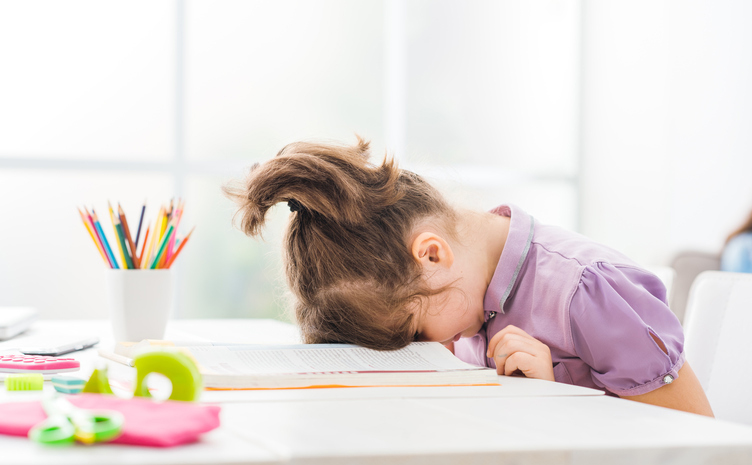
Interestingly, boredom is often when our brains do some of their best thinking. Even in my own life, I notice this. When I’m doing something repetitive and admittedly dull — like folding laundry or washing dishes — my mind often drifts to a problem I’ve been turning over, or a situation that needs a solution. Suddenly, ideas start to form.
There is actually science behind this. When we are bored, the brain activates what is called the default mode network — a state in which the brain can rest, reflect, and make connections. During this time, we tend to see several benefits.
Creativity increases as the brain begins making new connections.
Problem-solving improves because the mind has room to think more deeply.
Self-reflection grows, helping us process emotions and experiences.
Resilience develops as we learn to tolerate the discomfort of having nothing to do.
In a world filled with instant entertainment and constant stimulation, boredom has become rare — but I think it may be more important than ever.
So how can we help our children — and ourselves — learn that boredom is actually a healthy and helpful experience? Here are a few ideas..

01
Normalize boredom
02
Practice sitting with boredom
03
Create small pockets of "bored time"
04
Reduce easy distractions
05
Practice mindfulness
06
Encourage device-free time outdoors
So the next time you hear “I’m bored!” you might smile a little. That moment of boredom could be the beginning of creativity, problem-solving, or a new idea waiting to happen.
Wishing you — and your kids — a little healthy boredom this week.